The Wireless Standard That Quietly Changed Everything
Most people interact with Bluetooth every single day without thinking much about it. You connect your headphones in the morning, pair a speaker for the evening, and your fitness tracker syncs in the background without you doing anything at all. It all just works — and if you have noticed that it works better than it used to, that is largely down to one upgrade: Bluetooth 5.0.
If you have recently bought a phone, a pair of earbuds, or a wireless speaker and come across the label “Bluetooth 5.0” on the packaging, you might have wondered what it actually means in practice. The version number suggests an improvement, but over what exactly? And does it matter for the way you use your devices day to day?
Understanding what is Bluetooth 5.0 is not a technical exercise — it is a practical one. The changes introduced in version 5.0 affect the range of your connection, the stability of your audio, the battery life of your wireless devices, and how many gadgets can share a space without interfering with each other. This article breaks all of that down in plain terms.
A Quick History of How Bluetooth Got Here
Bluetooth technology was introduced in 1999, named after a tenth-century Danish king who was known for uniting disparate tribes — an apt metaphor for a standard designed to connect different devices from different manufacturers. The early versions were functional but limited: short range, low data throughput, and a tendency to drop connections in environments with a lot of wireless activity.
Each subsequent version addressed specific weaknesses. Bluetooth 2.0 improved transfer speeds. Bluetooth 3.0 introduced high-speed data transfer over Wi-Fi for large file transfers. Bluetooth 4.0 was the major turning point, introducing Bluetooth Low Energy (BLE) — a mode specifically designed for devices that need to run for months or years on a small battery, like fitness trackers, medical sensors, and smart home devices. Bluetooth 4.2 refined this further with better privacy features and faster connection speeds.
Then came Bluetooth 5.0, released in 2016 and adopted widely in consumer devices from 2017 onward. It built on everything that came before it and made improvements across almost every meaningful dimension — range, speed, broadcast capacity, and coexistence with other wireless technologies.
Speed, Range, and Capacity: The Core Improvements
To understand what does Bluetooth 5.0 mean for practical use, it helps to look at the three headline improvements the specification introduced compared to Bluetooth 4.2.
The first is speed. Bluetooth 5.0 doubled the data transfer rate of its predecessor in its high-speed mode, reaching up to 2 Mbps. For audio streaming, this means the connection can carry more data per second, which translates into support for higher-quality audio codecs and more stable transmission under interference. The gap between wired and wireless audio quality has narrowed considerably as a result.
The second improvement is range. In ideal conditions, Bluetooth 5.0 can maintain a connection over four times the distance of Bluetooth 4.2 — theoretically up to 240 metres in open space, though real-world conditions with walls and interference bring this down considerably. In practical indoor use, however, the improvement is meaningful: you can move to another room without the audio cutting out, and smart home sensors can be placed further from the hub without losing reliable communication.
The third is broadcast capacity. Bluetooth 5.0 increased the amount of data that can be included in advertising packets — the small broadcasts that devices use to announce their presence and share basic information — by a factor of eight. This matters less for headphone users but is significant for the growing ecosystem of Bluetooth beacons, location services, and IoT devices that rely on these broadcasts to communicate without establishing a full connection.
These three improvements do not all operate simultaneously at their maximum values. Speed and range trade off against each other: if you prioritise maximum range, the connection operates at lower speed, and vice versa. Manufacturers choose the balance that suits their device’s primary use case.
What This Means for Your Headphones and Speakers
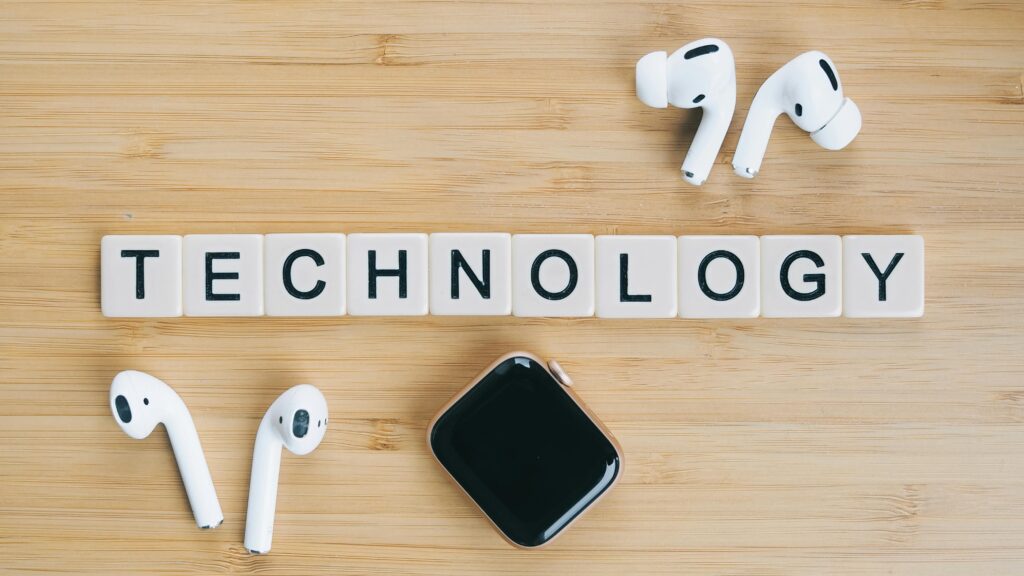
For most consumers, the most tangible expression of bluetooth 5.0 wireless technology is in how earbuds, headphones, and portable speakers perform. The improvements translate into fewer dropouts, better audio quality, more stable connections in crowded environments, and the ability to be further from your phone without the connection degrading.
True wireless earbuds — the kind with no cable between the two earpieces — benefit particularly from Bluetooth 5.0. Earlier versions of Bluetooth sometimes struggled to maintain a stable independent connection to both earbuds simultaneously, resulting in one side cutting out, audio lag, or desynchronisation. Bluetooth 5.0’s improved stability and connection management addressed this substantially.
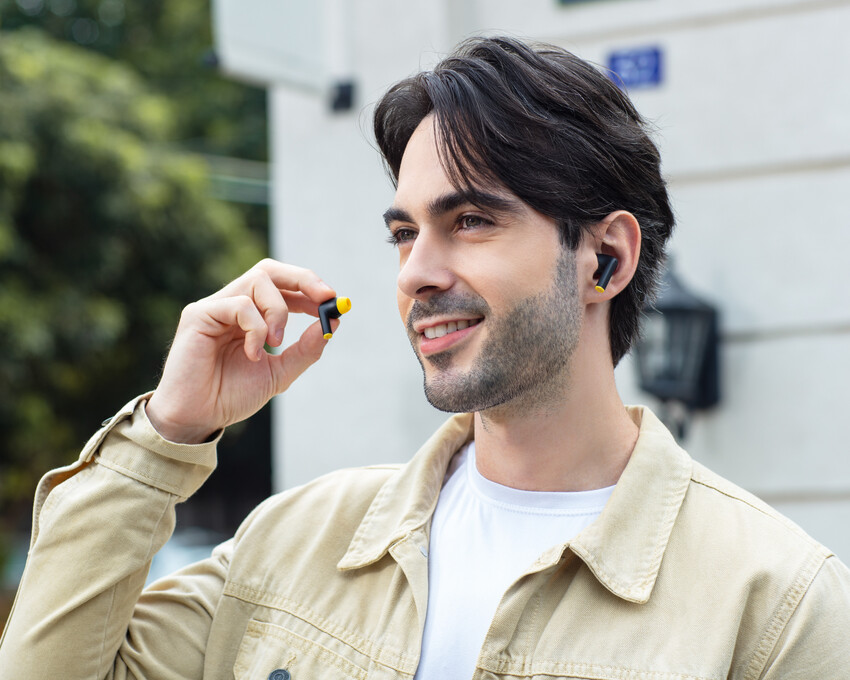
Canyon produces wireless headphones and earbuds that make use of Bluetooth 5.0’s capabilities. In practical terms, this means you can put your phone in your bag, walk through a café, and maintain clear audio without the connection hunting for a signal. For people who commute, exercise, or simply move around while listening, this improvement is felt daily.
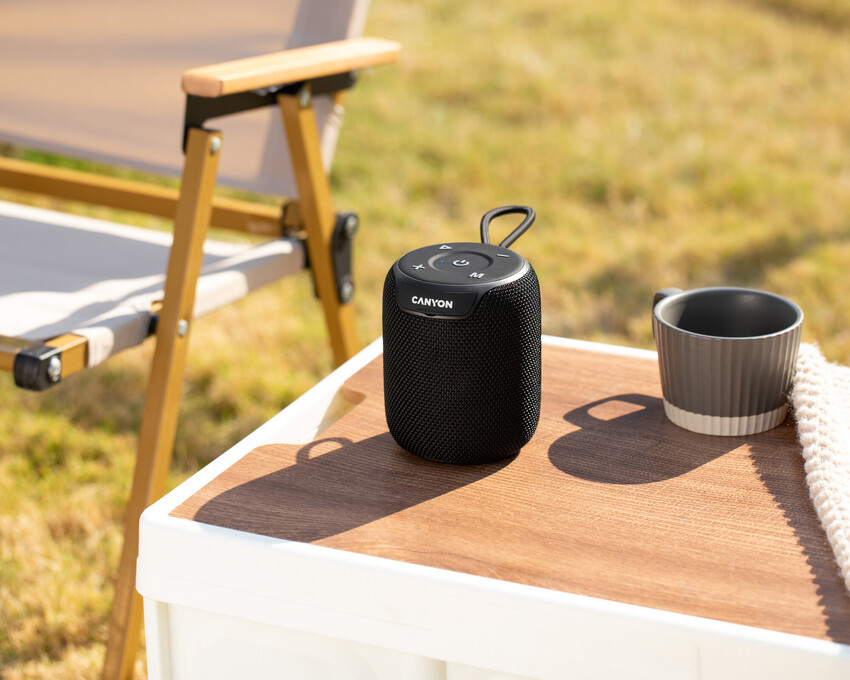
Portable speakers benefit from the extended range and connection stability too. A speaker placed across a room or in an adjacent space maintains its connection more reliably, and the audio signal it receives is more consistent — which reduces the risk of the brief dropouts and stutters that older Bluetooth speakers were occasionally prone to.
Energy Efficiency and What It Means for Battery Life
One of the less-discussed but practically important aspects of Bluetooth 5.0 is its energy efficiency. The standard continued and refined the Low Energy mode introduced in Bluetooth 4.0, but added the ability to transmit data in larger bursts — which means a device can transmit the same amount of information in less time and then return to a low-power idle state more quickly.
The effect on battery life is indirect but real. Earbuds with Bluetooth 5.0 do not necessarily last dramatically longer than those with Bluetooth 4.2 on paper, but the chip runs more efficiently, produces less heat, and consumes less power during idle periods. Over the course of a day, these marginal gains add up — especially in devices with very small batteries where every milliwatt matters.
For IoT devices and wearables — fitness trackers, smart watches, heart rate monitors, temperature sensors — the energy efficiency of Bluetooth 5.0 is even more significant. A sensor that previously needed a battery change every three months might now last six or nine months on the same battery. This is not a visible feature, but it is one that users appreciate every time they do not need to think about charging something.
Connecting Multiple Devices Without the Headaches
One of the persistent frustrations with Bluetooth in earlier versions was interference and competition in dense wireless environments. An office with twenty people each paired to their own Bluetooth headsets, a flat with a smart TV, a soundbar, several smart speakers, a few laptops, and a handful of phones — all sharing the same 2.4 GHz frequency band — could create enough interference to degrade connections noticeably.
Bluetooth 5.0 introduced improved channel hopping and coexistence mechanisms that make devices better at avoiding interference from each other and from Wi-Fi, which operates on the same frequency band. The result is more reliable connections in environments where multiple Bluetooth devices are active simultaneously.
This is also where multi-point pairing — the ability for a single device to maintain an active connection to two source devices at once — becomes relevant. While multi-point is not strictly a Bluetooth 5.0 feature (it depends on manufacturer implementation), the improved bandwidth and connection management of 5.0 make it easier to implement reliably. Canyon headphones with multi-point support let you stay connected to your laptop and your phone at the same time, switching automatically when a call comes in or when you start playing audio on a different device.

Bluetooth 5.0 in the Smart Home
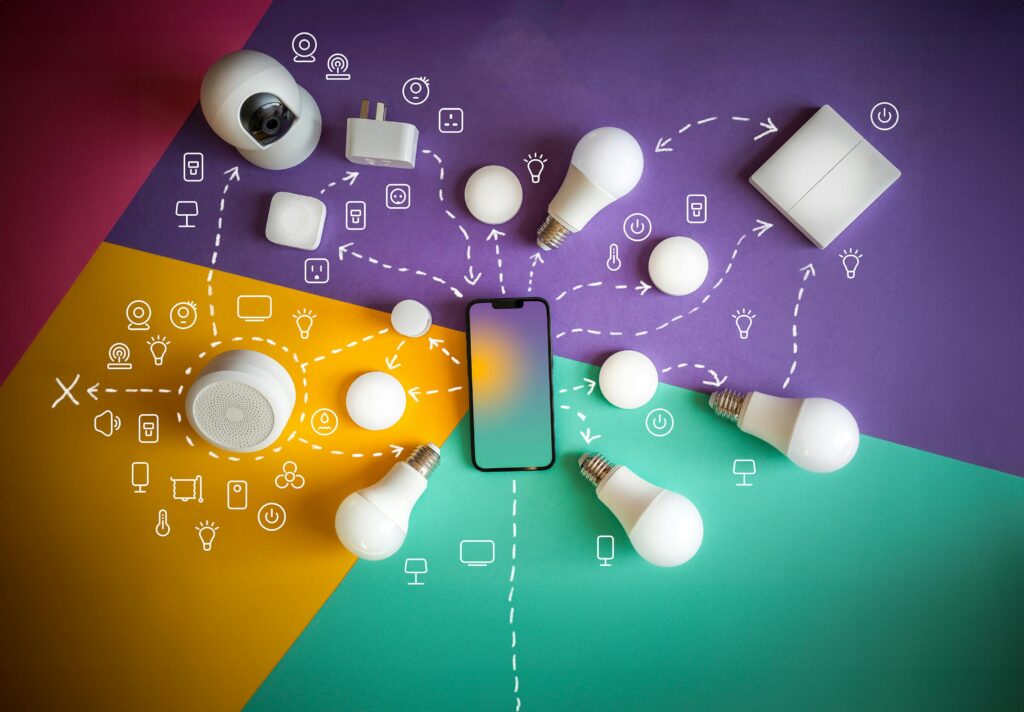
The bluetooth 5.0 benefits extend well beyond headphones and speakers. The smart home ecosystem relies heavily on short-range wireless communication, and Bluetooth has become one of the primary protocols alongside Wi-Fi and Zigbee. Bluetooth 5.0’s extended range and improved broadcast capacity make it better suited to the kinds of mesh networks that smart home devices use.
A Bluetooth mesh network — supported by Bluetooth 5.0 — allows devices to relay signals between each other rather than each device needing to connect directly to a central hub. A smart bulb in one room can relay a command from a switch in another room to a sensor in a third. This architecture means that a smart home can function reliably even when some devices are beyond the direct range of the controller.
Smart locks, lighting systems, occupancy sensors, thermostats, and environmental monitors all benefit from Bluetooth 5.0’s improved range and reliability. For anyone building or expanding a smart home setup, ensuring that devices are compatible with Bluetooth 5.0 is worth checking — it future-proofs the setup against the growing demands of an expanding device ecosystem.
Backward Compatibility: Your Older Devices Still Work
A question that comes up often when a new version of any standard is released: do you need to replace all your existing devices? With Bluetooth, the answer is no. Bluetooth 5.0 is fully backward compatible with all previous versions of Bluetooth, including 4.2, 4.0, 3.0, and earlier.
A Bluetooth 5.0 phone will connect to a Bluetooth 4.2 headset without any issues. A Bluetooth 5.0 speaker will pair with an older phone running Bluetooth 4.0. The connection will operate at the capabilities of the older device — so you will not get Bluetooth 5.0’s extended range or speed improvements in a mixed pairing — but it will work, reliably and without any configuration required.
This backward compatibility is one of the strengths of the Bluetooth standard as a whole. The Bluetooth Special Interest Group, which oversees the standard, has consistently maintained this compatibility across versions, which means the upgrade path is gradual rather than disruptive. You benefit from Bluetooth 5.0’s improvements as you replace devices over time, without being forced to upgrade everything at once.
What Came After: Bluetooth 5.1, 5.2, 5.3, and Beyond
Bluetooth 5.0 was not the end of the development path — it was a platform that subsequent updates have built on. Bluetooth 5.1 introduced direction-finding capabilities, allowing compatible devices to determine not just the presence of a Bluetooth signal but its precise direction — enabling centimetre-accurate location tracking within a space. This is the new technology in bluetooth that underpins the latest generation of item trackers, indoor navigation systems, and asset tracking tools used in logistics and healthcare.
Bluetooth 5.2 introduced LE Audio, a fundamental redesign of the audio architecture that enables lower-latency, lower-power audio streaming, multi-stream audio (sending different audio streams to each earbud independently), and broadcast audio (one device streaming to an unlimited number of listeners simultaneously — think a museum where every visitor can connect their earbuds to hear the same guide, or an airport departure lounge where gate announcements stream directly to anyone with compatible earphones).
Bluetooth 5.3 and subsequent updates have continued to refine connection management, power consumption, and coexistence. The trajectory is consistent: each version makes Bluetooth more capable as an infrastructure for the connected world — not just for personal audio devices but for industrial sensors, medical equipment, location services, and large-scale IoT deployments.
For the average consumer, the practical takeaway is that buying devices with Bluetooth 5.0 or later puts you on the current generation of the standard, with access to its performance improvements, its energy efficiency gains, and its compatibility with everything that comes next.
Choosing Devices with Bluetooth 5.0
Now that the picture is clearer, the question is what to look for when buying wireless devices. The answer is straightforward: Bluetooth 5.0 (or newer) is the baseline to look for on any wireless device purchased today. It is standard on most current smartphones, tablets, and laptops, and it is increasingly the norm on quality earbuds, headphones, and speakers.
When comparing two otherwise similar products, Bluetooth 5.0 versus an older version is a meaningful differentiator — particularly if range, connection stability in a busy environment, or battery life are priorities for you. For earbuds specifically, it is also worth checking whether the product supports a quality audio codec like aptX, AAC, or LDAC, as these work alongside Bluetooth to determine the actual audio quality of the stream.
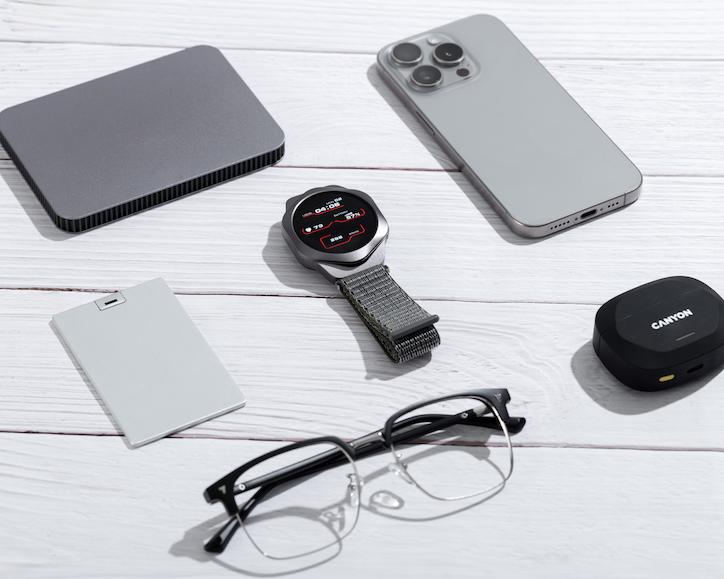
Canyon’s current lineup of wireless audio products and peripherals are built around Bluetooth 5.0, covering everything from earbuds and headsets to wireless mice and keyboards. If you are building or upgrading a wireless setup, starting with devices that share the same generation of the standard means they will all perform to their potential — and remain compatible with whatever devices you add in the future.

 Tatyana Ryzhova
 Angelina
 Herzberg